What I was in third grade, my parents bought me on of those radio microphones, the ones where you could tune into a low-frequency dial on the radio and broadcast yourself over the airwaves. I used it to rap alongside Ray Parker, Jr’s theme song to Ghostbusters.
Go ahead. You know you want to.
I already knew that I cannot sing, but I quickly discovered that I cannot rap, either — even by Ray Parker Jr. standards. If I wanted a career on the radio — and I loved radio — that left me with dj.
A few years later (sixth grade? seventh?), our local tv station in Texas was trying to horn in on the MTV market with a Saturday video show featuring teenage vjs, and I talked my parents into taking me to the mall so I can stand in line for the initial interviews. When I finally sat at the long paper-covered table with my sad little application in hand, the adult across the table asked me just one question: “Why do you want to be a vj?”
I said, “Well, I’ve always wanted to be on radio. And really, a vj is just a dj on camera, right?”
Just like that, I was dismissed.
But never give up on your dreams, kids! Because here I am, almost 25 years later, and I’m on the radio!
Last night, Bud Smith — fiction editor at Red Fez — invited me on his Internet radio show, The Unknown Show at Literary Underground. I mentioned this last week, when Bud had on David McNamara of sunnyoutside press to talk about all their books (including mine!), so getting to come on as a follow-up this week was awesome enough all on its own. But you guys! I was on right after my writer friend Robert Vaughan, whom I’ve never actually met in real life but whose work I love and with whom I love interacting online.
It was almost as much fun listening to Robert while I was on hold for my turn (Robert managed to mention my writer friend Lidia Yuknavitch, too, and he managed to open up a hell of a segue into my section)!
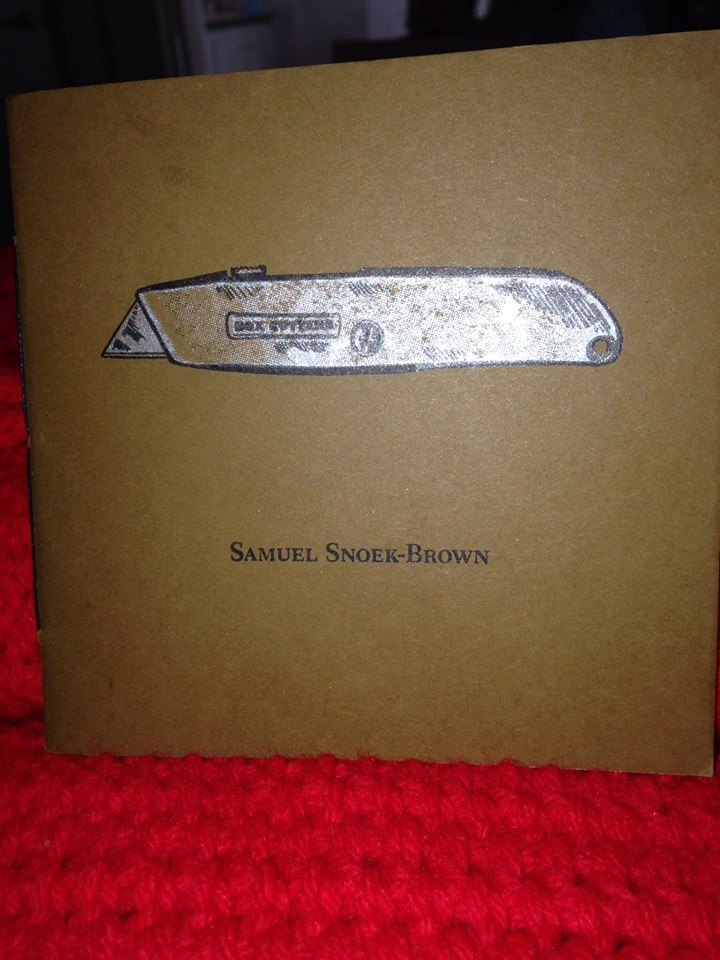
And then my own conversation with Bud begins around the 85-minute mark. I wish my phone was clearer — I sound like I’m underwater — but hey, it was a great conversation, and I loved chatting with Bud about my chapbook (Box Cutters, from sunnyoutside press) and my forthcoming novel (Hagridden, from Columbus Press). And then I get to close with a reading from the chapbook.
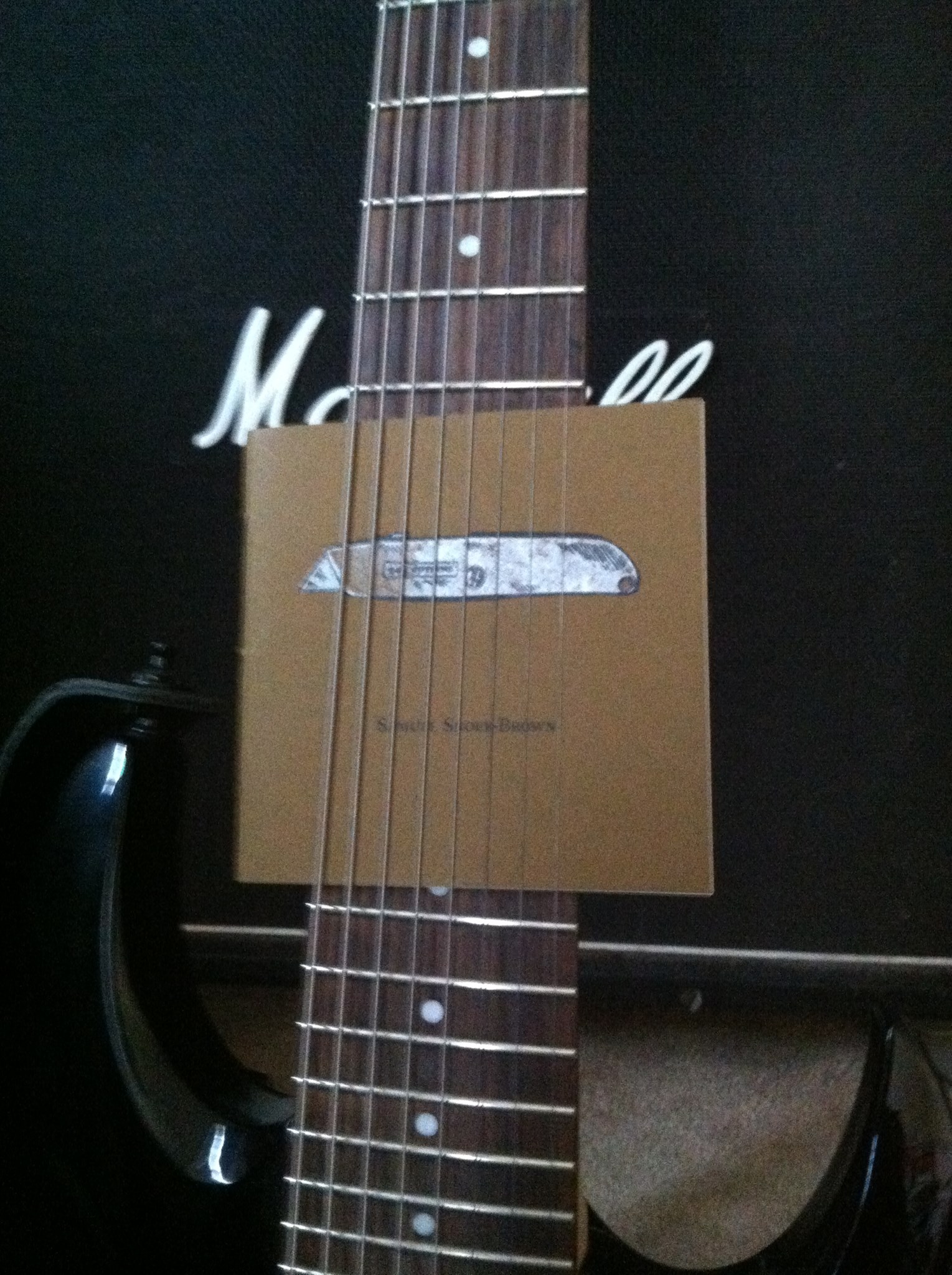
In the past month, I’ve posted not one — not two — but three posts about people reading my chapbook, Box Cutters. And the photos of happy readers keep coming! As of today, it might be a bit of a squeeze to get your copy of my book by Christmas (unless you order from Amazon and have it airlifted by drone), but you should be able to just make, if you want to join these fine folks:
from my friend and grad school pal Sally Francofrom author David Atkinsonfrom author James Claffeyfrom my nephew Aidan
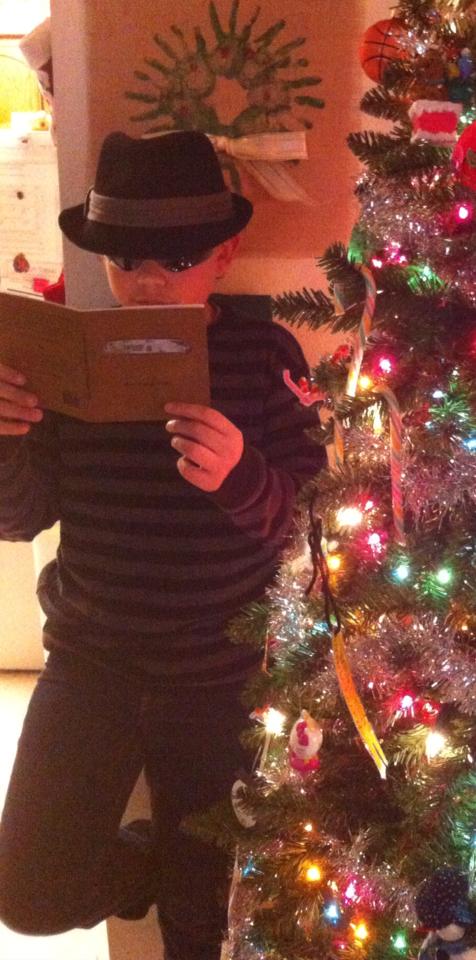
That’s right, folks: When I sent a copy of Box Cutters to my sister and her husband, my 12-year-old nephew insisted on reading it, too:
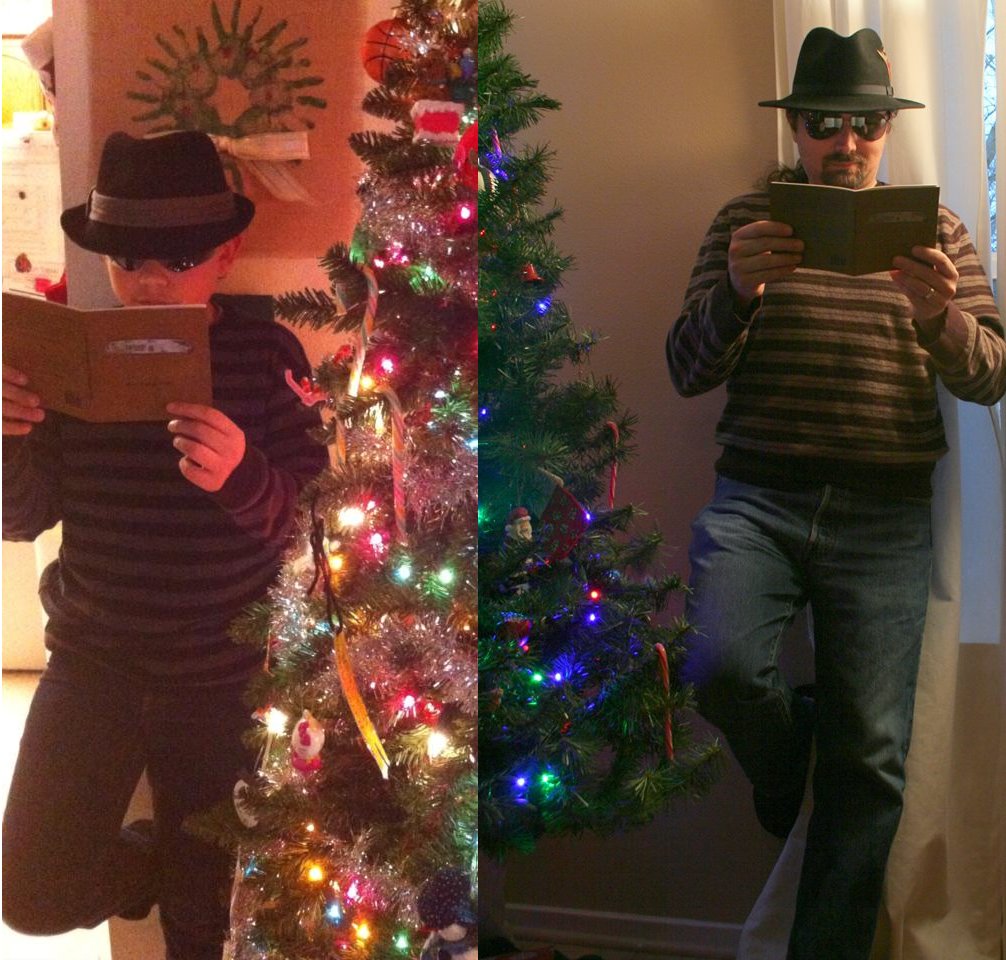
And before you think this is a posed photo . . . my nephew really is this cool. Okay, he probably added the shades for effect. But otherwise, yeah, this is him on a daily basis. But here’s the funny bit: as I looked at the photo, I realized I owned almost exactly this same outfit. The striped sweater, the black hat . . . .
So you know what I had to do next.
Nailed it.
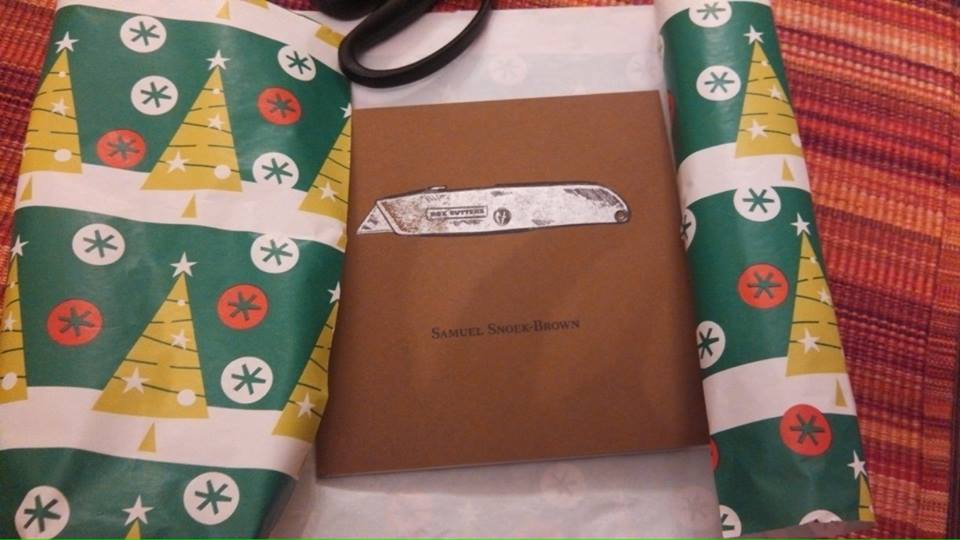
Have you considered giving Box Cutters as a gift? You can still order the book in time for Christmas! I’d love to see photos of people giving or receiving the book!
The other day, a friend and former student, Lane, wrote me to ask about my writing habits and my routines:
I’ve noticed that you have been keeping yourself particularly busy lately, with all of your writings, classes and such. [. . .] I wanted to ask you this: how do you make time for yourself to write without making it seem like a chore? [. . .] Simple hobbies take time, spending time with loved ones takes time…I guess, where are you finding your inspiration to sit down every day and just write? I’m struggling to find mine, and I don’t want how busy I am to be an excuse for me not doing something I know I’m supposed to do.
Oh, man.
At the time, I was actually in the midst of grading essays, so I didn’t have time to sit down and write Lane back. But this question is so fundamental, so essential, that I couldn’t stop thinking about it, and I knew I’d never finish my grading with this in the back of my head. So I started drafting a quick response just to get ideas down.
Nine hundred words later, I realized I was really writing this blog post — so I wrote Lane for permission to turn an email into an essay, and here we are.
Here’s the usual advice: set a schedule. Make a habit. Write every day.
That’s good advice. But I don’t follow it.
Better than a napkin; worse than a notebook.
I used to feel very desperate about my writing. I’d have to do it as soon as it came to me, and I’d have to do it all at once, and if I was doing something else, I’d worry I’d never get back to it, or that I wasn’t doing enough of it. I’d write ideas on the backs of receipts in grocery store parking lots; I’d pull over on the side of the road and write the endings of unwritten novels on the envelopes of insurance papers and car titles from the glove box. If my hands were full, I’d dictate things to anyone standing around and make them write it for me. I’d recite sentences in my head over and over, at the expense of anything else, until I could get somewhere with pen and paper, or somewhere with a computer.
This was writing practically every day, but it wasn’t a writing habit. It was writing freneticism, born not of a sense of passion but from a sense of desperation. I subscribed to the young-writer’s fantasy that writing has to be “inspired,” and that when inspiration strikes, all else must get the hell out of the way because the writing had to happen right then or not at all.
Of course, I’d read all the advice about setting routines and making time for your writing. But I didn’t buy it. I didn’t like schedules, routines, hours in the chair. That sounded too much like work, as if I had to clock in for my writing time, wait for the buzzer, and then clock out again. I’d worked jobs like that, feeding the old-fashioned punchcard into the machine (yes, they still had those when I was working jobs like that), and if I knew one thing, it’s that punching a clock wasn’t art.
A few years ago, I had the opportunity to step away from teaching and write full time for a while, and I realized that I no longer had to squeeze in the writing in whatever minutes or hours I could force into my day — I had whole days over a whole weeks and months to fill with the written word. And the expanse of time was suddenly daunting. What would I do with all that time? I finally understood the importance of setting a schedule and sticking to it. I finally understood that writing is work, and that isn’t a bad thing.
For roughly 18 precious months, I got to say that writing was my job. I even dressed accordingly: no writerly clichés of bathrobe and whisky at 11 am for me — I woke up when my wife woke up, I saw her off to work, and then I put on work slacks and a blazer and I sat at my desk with a cup of coffee and I got to work.
I clocked in, so to speak.
I wrote through lunch. I ate a sandwich and read a for an hour. I wrote into the afternoon, then took another break, walked around a bit, cleared my head, then sat back in the chair. When it came to 5 pm, I clocked out and started making dinner.
Every day. Routine.
Writing is SERIOUS, y’all.
I worried at first that the writing itself would become routine, that it would feel as dry and as forced as it felt at first. But I worked through that, and the work I did in that period ultimately felt amazing. I finished a story collection I’d been working on for years. I wrote the first draft of Hagridden, my novel that’s getting published next year. I revised a novella. I began and finished a score of short stories. I fleshed out this blog and started another.
It was the most creatively productive period of my life.
When I moved to Oregon and went back to teaching (which I missed terribly and was thrilled to return to), I worried I’d lose my routine, and I was right — I did lose my routine. But that didn’t mean I lost my passion for writing or my ability to do the work. I just had to set a different schedule and work it around my other work. But this time, there wasn’t the desperation. In its place was the confidence that came from experience: I know I could get the work done, and, more importantly, I discovered that the work would always be there waiting for me the next day, or the day after that.
My writer friend Todd McNamee published a book this past year. He’s also a dharma friend — we took refuge together at my Buddhist center — and when I interviewed him about his book for this blog, we spent a lot of time talking about both our writing practices and our meditation practices. He talked about alternating between the two, writing and sitting in the same physical space and just switching gears from time to time. “I can definitely go through periods where all I do is write, and I definitely go through periods where all I do is sit, but neither one of those is very useful to me. When I’m doing one, I feel guilty that I’m not doing the other. So I do one, but I always tell the other one, Don’t worry, I’ll get to you in a second.”
It’s the “Don’t worry” part that’s key. I think my biggest hangup over the idea of schedules and routines back when I was first writing wasn’t really in the clocking in and out, in the rigidity of it — it was in my lack of faith in my own self-discipline. I worried that if I ever fell out of my routine, I’d never get it back. But that’s not the case at all.
People like to say you never forget how to ride a bike, but the riding ability you retain isn’t in the bike. It’s in you, in your muscle memory. If you haven’t ridden in years, you might be a little shaky getting back on the bike, but your body knows what to do. I’ve discovered that for me, writing is the same way. If I’m away from it for a long time, it takes a little bit of wobbling to get my balance again, but my mind knows what to do. The muscles in the hands remember. The words are there. The work will come — it will always come.
I get into the habit and I fall out of the habit, depending largely on my teaching and editing schedule, and if I have to put it off for a while, I don’t let myself feel guilty about it. Guilt is a disease for a writer — it’s one of the biggest doors through which that fallacy, “writers block,” can enter.
There’s a saying in Zen Buddhism that you should sit in meditation for twenty minutes every day — unless you’re very busy, in which case you should sit for an hour.
I don’t practice Zen, and I’m a terribly undisciplined person — in sitting meditation, in writing, in teaching. But I feel that this axiom isn’t about discipline, really. It’s about recognizing the things that are most important and prioritizing them, and it’s about recognizing that our mental and emotional health are always the most important things in our lives. We can ignore them and still get a lot done — we can pay the bills and figure the grades and run the errands and clean the house and rake the leaves and attend the meetings and do the shopping — but we can’t sustain it. Sooner or later, we burn out.
But if we pay attention to ourselves, we can recognize when we need to spend some of what little time we have on ourselves and the things that make us happy, and by giving those passions their due — by letting ourselves be happy — we can actually have the mental and physical energy to get more of those menial tasks done over the long run.
So, my friend/student Lane asks me how I make myself write every day, and the honest answer is, I don’t. The past few months have been the busiest few months I’ve had in a long while, and it’s been hard to find ways for the writing to fit in with the rest of what I do. Sometimes it comes in an afternoon when I’m supposed to be grading essays but a story idea has taken over. Sometimes it comes while I’m commuting an hour to one of my campuses and I have to dictate a novel chapter into my phone. Sometimes it comes on a Sunday afternoon when my plate is clear and I have time to sit down and do the work. And sometimes it doesn’t come at all, because I simply don’t have time.
In fact, my writing habits haven’t really changed all that much since I was starting out. I still scribble on receipts or pull over on the side of the road. I still squeeze in the writing whenever and wherever I can.
I can be extremely regimented about my writing when I have time to be.
What has changed is the attitude. It’s the understanding that it’s okay if I don’t write today, because I can write tomorrow. And it’s also the understanding that it’s okay if I have to stay up late to grade a stack of essays or edit a magazine, because I had to finish writing a chapter — the writing was more important in that moment.
And it’s understanding that I do know how to set a writing routine. That period a few years ago when I was able to write full time was invaluable. I feel like for all my youthful years of dabbling and academic years of graduate workshops, I didn’t really learn to write until I did it eight hours a day wearing a blazer and sitting at a desk. That lesson was profound and profoundly necessary.
And now that I know how to do that, I also know not to panic when the writing isn’t happening, because when I get the opportunity to come back to the writing — a research trip, a writing retreat, NaNoWriMo, a winter break — I can establish whatever routine works best in that window of time and I can get down to the real work of writing.
So I don’t think it’s really a matter of making time for the work you love — not in any forcible way. I think it’s much more peaceful than that. It’s about accepting the time when you have it, and when you don’t have time, it’s about having confidence that the work will be there waiting for you. You’ll get to it.
Since my chapbook, Box Cutters, came out a month ago, I’ve been posting photos of my book (here and here), sometimes with the the people who bought it, sometimes in weird locations. And as the book keeps going out there into the big wide world, photos from readers keep coming in! So here’s another round of folks who’ve bought Box Cutters:
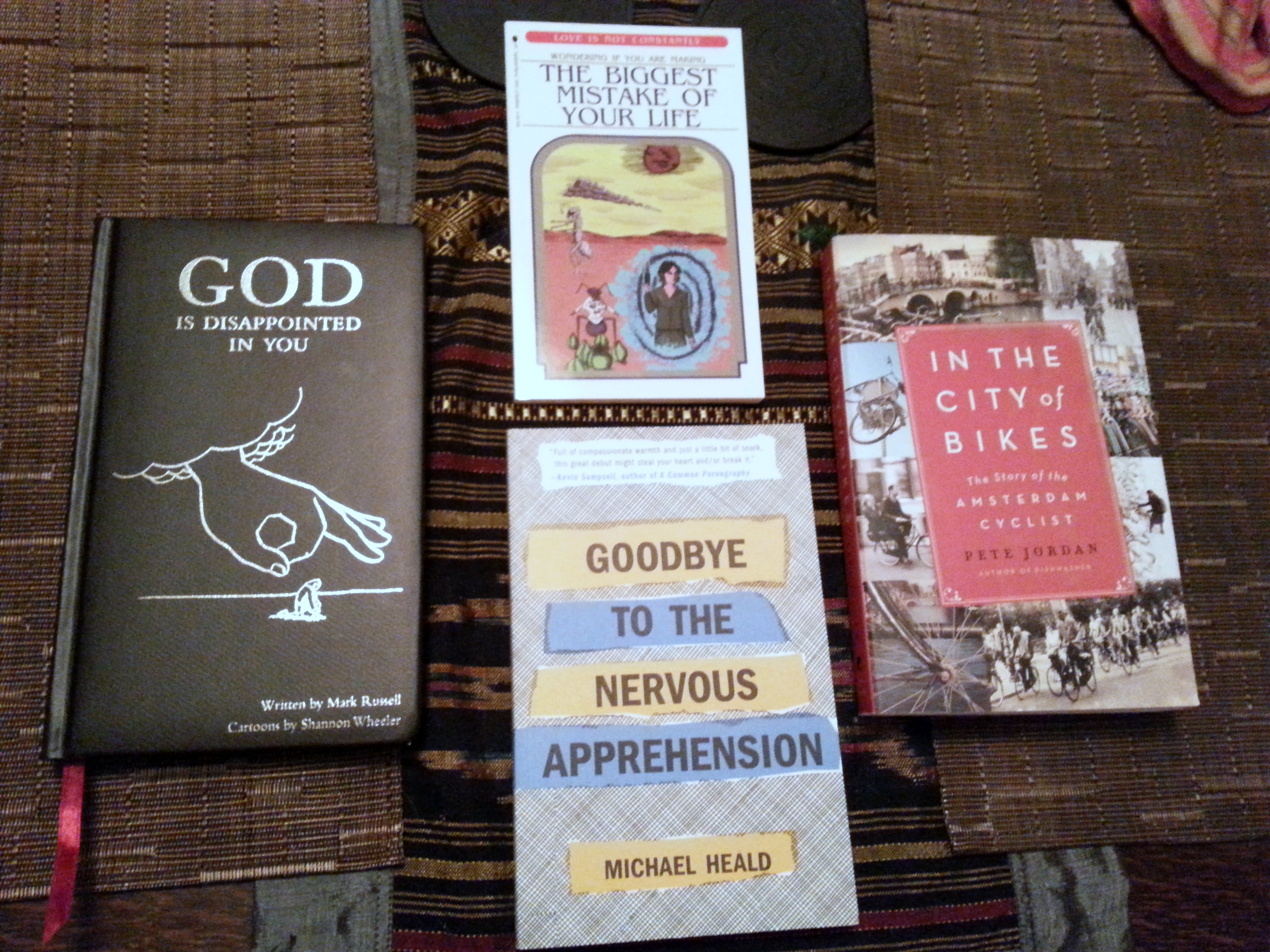
with Portland author Mark Russell (I’m holding Mark’s book, God Is Disappointed in You)from Patte Farkas-Braker, who used to work in the registrar’s office at Schreiner University, where I did my undergradfrom Texas metal guitarist Matt Miklawfrom a friend of mine whose name I can’t reveal yet, because this friend is giving Box Cutters as a gift to another friend of mine!
Speaking of which:
Have you considered giving Box Cutters as a gift? You can still order the book in time for Christmas! I’d love to see photos of people giving or receiving the book!
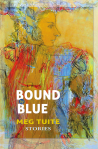
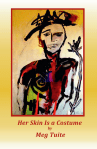
You can listen to the whole program here. I’m right up front, gang, but don’t tune out when they stop talking about me –David and Bud also talk about the upcoming novel by Rusty Barnes, whom I’m a huge fan of, and later in the show, they bring on Meg Tuite to talk about her new collection Bound by Blue. (Meg wasn’t on my big list of books yesterday — I told you I was missing names! — but she’s there now, along with her other new book this year, Her Skin Is a Costume.)
Oh, and FYI: I’m going to be on Bud’s show next week, so tune in, folks!
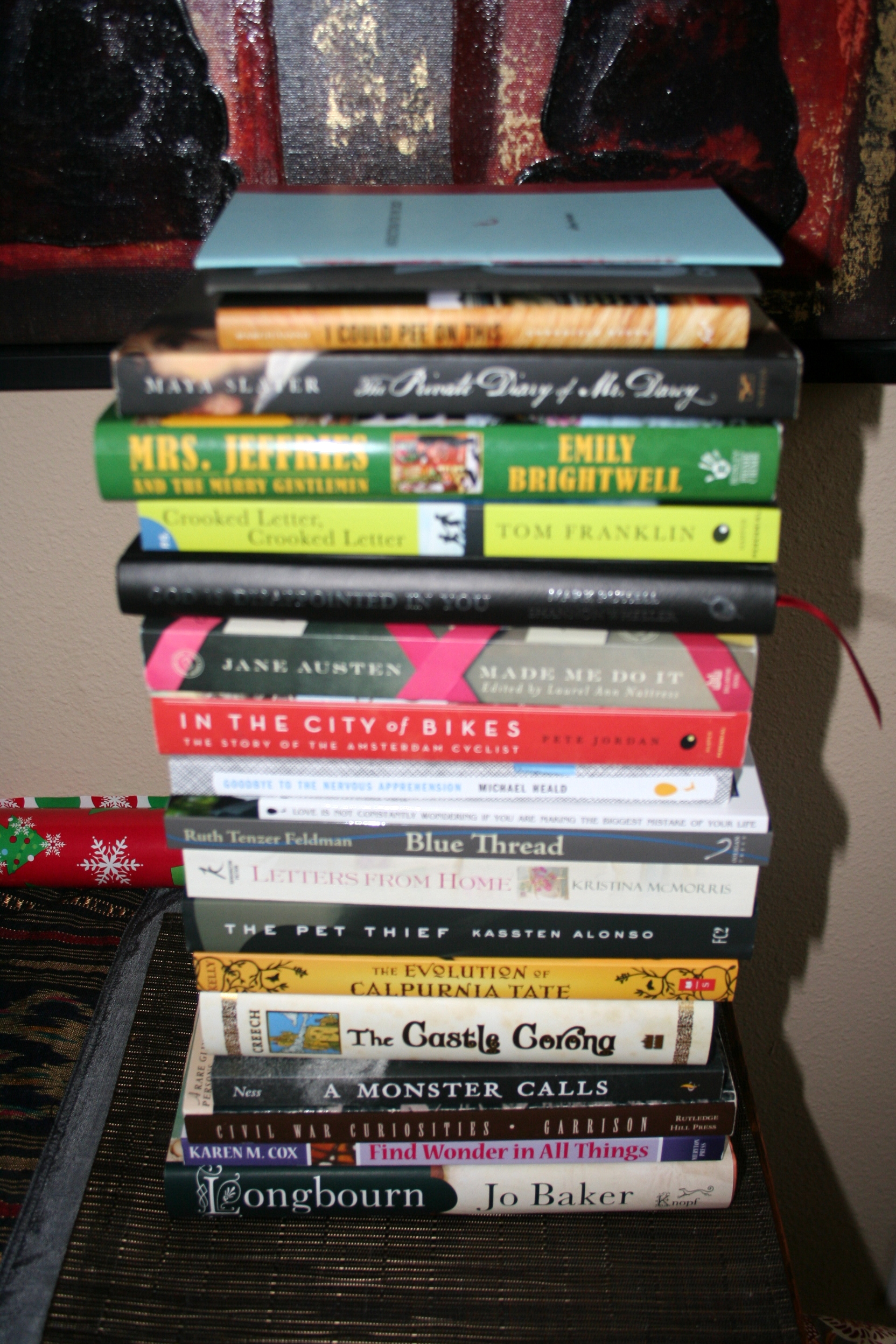
It’s been a book year in the Snoek-Brown household. I already posted about the book-shopping my wife and I did over the Thanksgiving weekend, but we’ve recently picked up several more books — some as gifts, some as door prizes, some as new purchases of our own — and yesterday, as I was straightening up the house, I stacked up all the books lying around the living room and realized we’d amassed 20 books in just the past couple of weeks!
Which got me thinking how many books we’ve picked up over the past year in general, and gang, it’s a ton. Easily a few dozen, and that’s on top of the books stacked up in the living room. And while many of those books are older, things we’ve long wanted or have been missing from our collection, a whole bunch of those books are brand new, just published this year by friends of mine.
So I decided to make a list of all the books in 2013 by people I know. (I say “all the people” — but I’m sure I’ve forgotten a few. I might have to post a follow-up list in a few days!)
Consider this your shopping list. Pick as many as you want or can afford; give liberally as gifts to friends and family. I haven’t got round to all of these — some I haven’t bought yet myself, and some I’ve bought but haven’t got around to reading yet — but many of these I can personally recommend. And, actually, I could recommend all of them, because I know some great writers, folks, and I trust that these books are all great even if I haven’t read them yet.
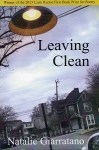
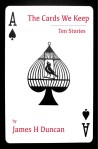
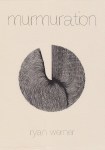
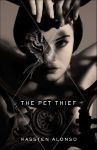
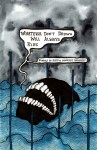
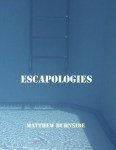
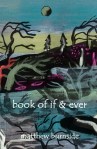
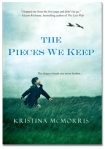
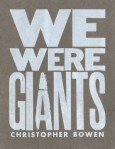
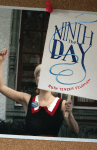
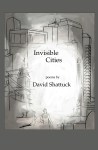
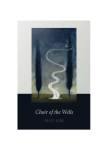
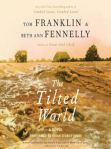
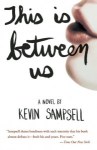
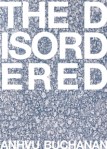
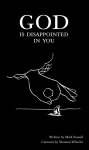
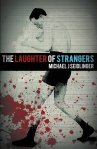
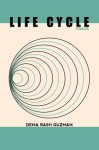
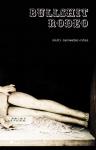
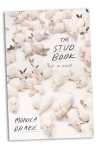
Below is a list of the books, by sort-of-genre, but it’s just a list. My librarian wife likes to say that we all judge books by their covers, regardless the usual admonition against it, and she’s right — sometimes we grab books on instinct, based partly on what they look like — so below the list, I’ve made a gallery of all the books I can find covers for. You can also find most of these on a special bookshelf I’ve created in Goodreads.
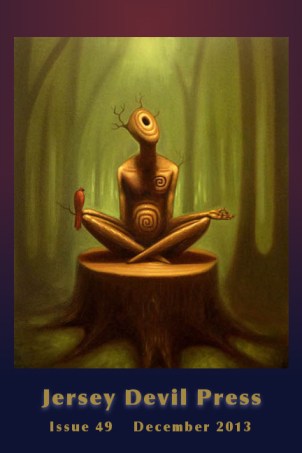
This issue includes a surprisingly heart-wrenching story about sentient vending machines, a pensive tale of a lost mother, a terrifying Lovecraftian horror story about a janitor in a mental hospital, and — you guessed it — a zombie-werewolf-vampire-Santa Claus story.
Because that’s how we do Christmas.
And for dessert, some beautiful cover art from J. Slattum.
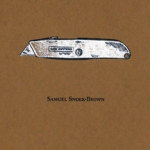
The stories in Box Cutters, Samuel Snoek-Brown’s flash fiction collection, operate on the principle that what’s included suggests what’s left out, with certain pieces resonating so profoundly that you can’t catch your breath.
And later:
In similar ways, these stories’ characters move beyond the expected, beyond easy diagnoses of contemporary ennui brought on by feeling powerless.
There’s more in the details, in DeBonis’s beautiful close readings of the stories, and the whole review is so generous and thorough I’m floored.
This is the actual single malt my wife and I drank in celebration of the offer from Columbus Press.
I can’t tell you an exact publication date yet, but don’t worry: I’ll be pummeling you with updates throughout the year. (Bear with me, gang. I’m incredibly excited about this.) It’s going to take some time — as it should — but we’re shooting for a release later next year. I’ll keep you posted.
Rather unintentionally, this holiday weekend has been quite a book-shopping extravaganza here in the Snoek-Brown household.
It all started on the night before Thanksgiving, when Kevin Sampsell — Portland author, publisher, and man in charge of the small press section at Powell’s Books — posted on Facebook that my chapbook, Box Cutters, had hit the shelves at Powell’s. This was huge news, gang! I’m a big fan on online literary magazines, and I know we live in a digital age and ebooks and online shopping are all the rage, but I’m still a bit of a traditionalist, so for me, publishing a book finally feels REAL now that it’s physically in a bookstore, where people can pick it up and flip through it live and in person.
My wife and I were coming back from the Oregon Zoo when I spotted the post on Facebook, so we stopped at Powell’s on the way just to check out my book on the shelf.
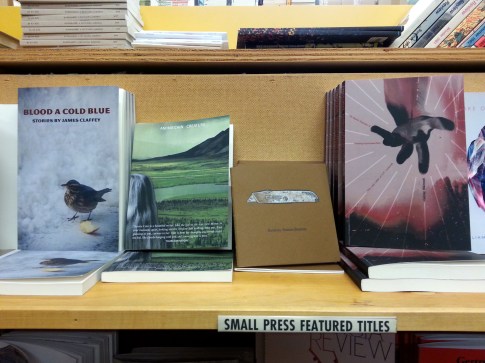
Me with my book at Powell’s City of Books in downtown Portland.My book at Powell’s.
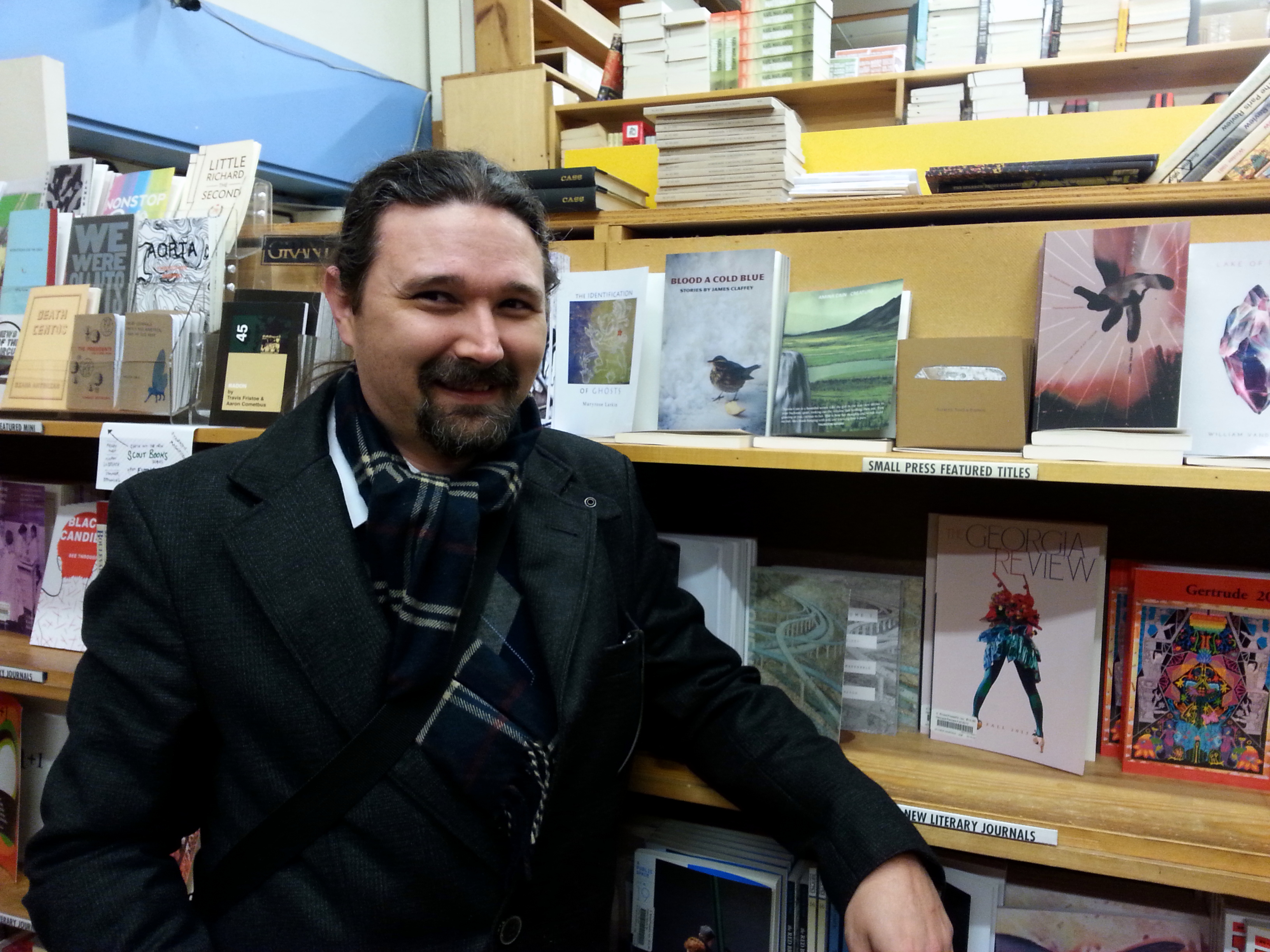
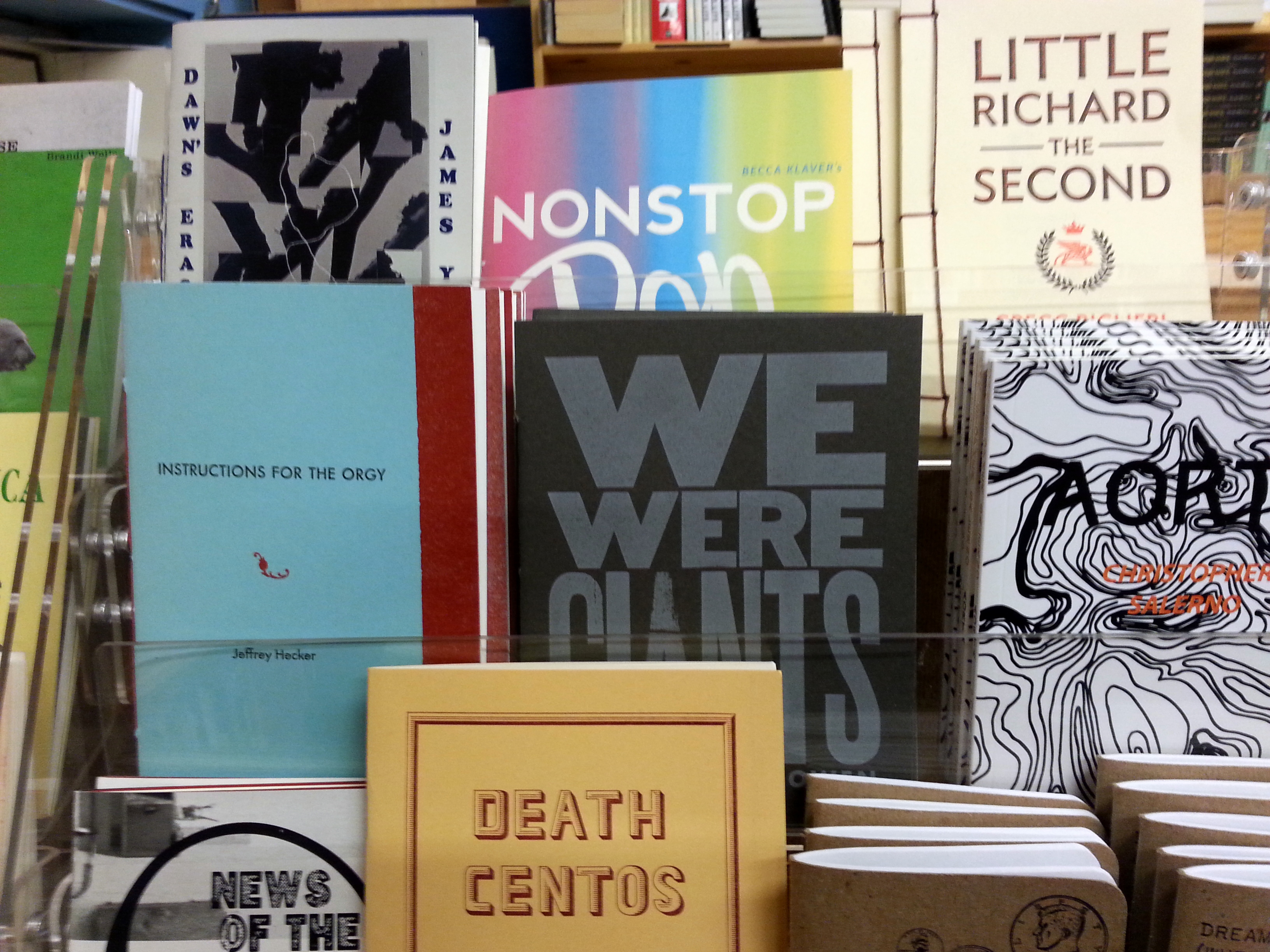
After Thanksgiving, my wife and I skipped Black Friday in favor of Small Business Saturday, when we walked down to one of our local independent bookstores, Reading Frenzy. There, we met my fellow Portland writers Mark Russell and Michael Heald, who were participating in Small Business Saturday by signing books at indie bookstores around the city. We also bumped into my writer friend Hobie Anthony. It was a wonderful way to spend a Saturday afternoon!
Mark Russell and me — holding each other’s books — at Reading Frenzy in Portland, OR.
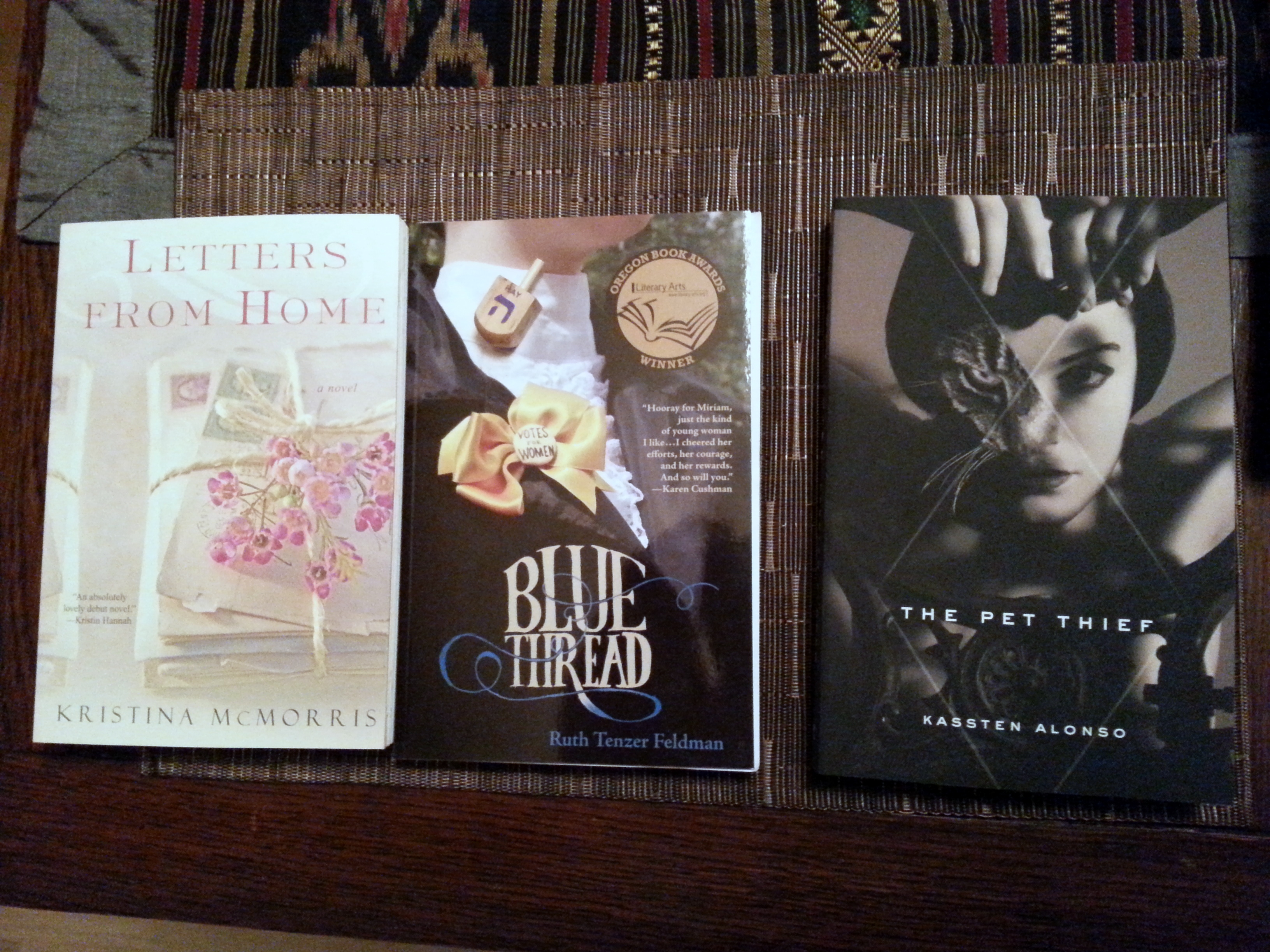
Our haul from the Oregon Historical Society’s Holiday Cheer event.
McMorris was fascinating (I must meet her again someday and discuss her research process for her historical fiction). Feldman was delightful — she, too, must have some terrific insights to research for her fiction — and she gave us a dreidel to celebrate hanukkah (the dreidel is on her book in the photo above). And Alonzo had some really interesting comments about his writing process, which I would love to hear more about someday.
For those keeping count, that’s my book in two Portland stores, and eight new books on our bookshelves at home. And that’s just this week! Who knows what the rest of the holiday season will bring?
So there you go: if you’re wondering what to buy for gifts for people this year, whatever holiday you’re celebrating, now you have a decent list to start with. Happy shopping, gang!

 Last night, Bud Smith — fiction editor at Red Fez — invited me on his Internet radio show, The Unknown Show at Literary Underground. I mentioned this last week, when Bud had on David McNamara of sunnyoutside press to talk about all their books (including mine!), so getting to come on as a follow-up this week was awesome enough all on its own. But you guys! I was on right after my writer friend Robert Vaughan, whom I’ve never actually met in real life but whose work I love and with whom I love interacting online.























 Samuel Snoek-Brown