
Photo blog 82

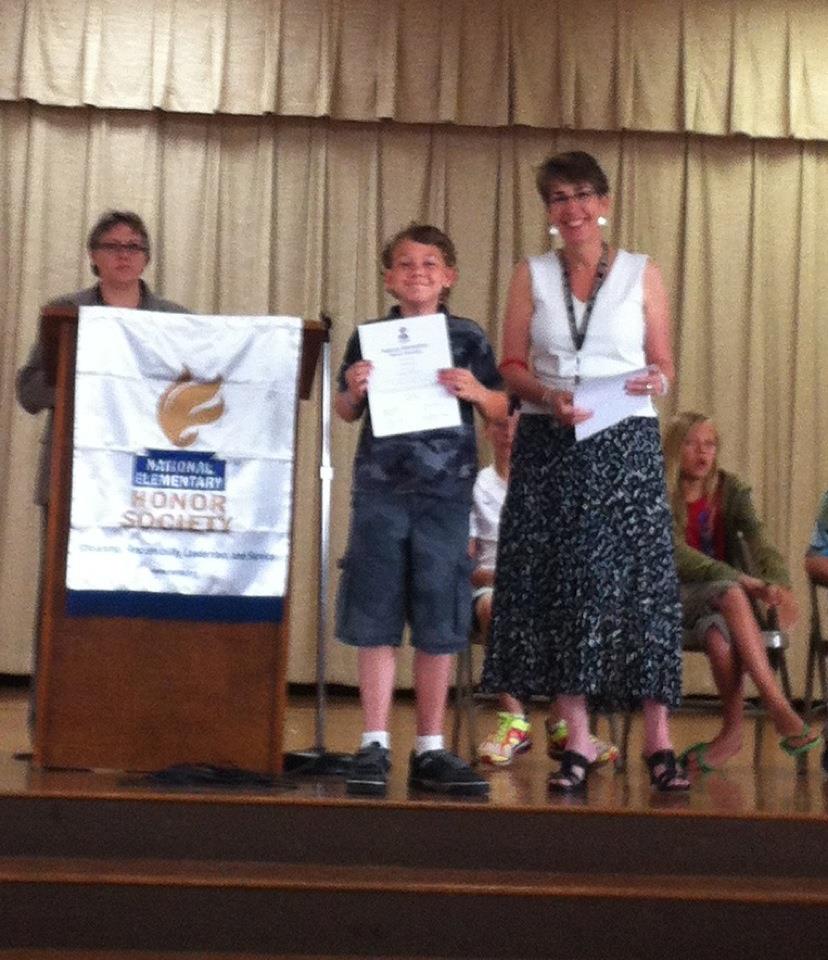
In what is surely serendipitous timing, given my post yesterday about my smart tutee, today I found out that my nephew Aidan has been inducted to the National Honor Society for elementary students. This is a huge deal — I was probably smart enough for it (I did wind up getting a PhD), but I was never disciplined enough for it (my grades in school were good but never great). So the kid’s one up on his uncle!
His mother — my sister — was both smart enough and disciplined enough, so she got into NJHS and NHS. But her son has beat her to the punch, too, getting in while he’s still in elementary school!
My wife, too, was in the small-school version of NHS, called Beta Club, and my in-laws have told me all about the academic excellence that requires. So the whole family knows what an important academic accomplishment this is.
So I just wanted to say how proud we all are of Aidan. Way to be awesome, smart guy! 🙂
 In the next couple of weeks, I’ll be finishing some term-long or year-long tutoring jobs I’ve been working. Two of my students are high schoolers (one is graduating, and I’m proud to say I had a hand in her getting accepted to the University of Oregon, though my part was small). But one of my students, as I’ve mentioned before, is nine years old. She’s currently homeschooled, and her parents wanted to supplement their home instruction with some formal lessons from a tutor, so they contacted me.
I’ve been teaching my nine-year-old student English language and literature this spring. And ladies and gentlemen, this girl is SMART. I mean, she blows me away every time we sit down to work together. I’m talking, she’s so smart that my college students had better start worrying, because I think their workload is about to get a lot harder.
Today, for example, we were talking about Fudge. I recently assigned her the whole Fudge cycle by Judy Blume, and she said last week that she’s already read Tales of a Fourth Grade Nothing, so I encouraged her to finish the series. You know, as summer reading. Instead, she checked out Otherwise Known as Sheila the Great, Fudge-a-Mania, and Double Fudge from the library and read them. In the last three days. Three books — we’re talking full-blown chapter books here — in three days. And she wasn’t skimming, either. When I asked what she thought of the books, her first response — literally the first thing out of her mouth — was a comparative character analysis.
“I think Sheila is kind of babyish in this book,” she told me, pointing to Otherwise Known as Sheila the Great. “I think she was more mature in the first book and in Fudge-a-Mania.” Then she described how difficult it was to place Sheila in the chronology of the books (a problem most adult critics have, too) and said she felt like it wasn’t really part of the same series (something else adult critics debate).
I asked which was her favorite book, and she said, “Well, I liked the voices in Tales of the Fourth Grade Nothing, but I felt the story was stronger in Fudge-a-Mania. But Double Fudge was the funniest book. I don’t know, though — I have to read Superfudge before I can say for certain.”
These are her real words, people. A nine-year-old. And it gets better.
I pointed out that the whole series, except for Sheila the Great, is narrated by a boy about his younger brother. Sheila the Great is the only book with a strong female voice. Yet Tiffany liked her character and her book the least. I wondered why that was. Tiffany said, “Well, I think it’s about the character you’re invited to identify with. It’s like in Greek mythology: you’re supposed to like Odysseus because he’s the hero, but that’s not why I like him. I like Athena, and Athena is on Odysseus’s side, so I’m on Odysseus’s side. I read another book, with Helen and Paris, and Aphrodite is on Helen’s side. I’m supposed to like Helen because she’s a girl and I’m a girl, but that’s not it really. I’m on Aphrodite’s side, and Aphrodite is on Helen’s side, so that’s why I like her. In these books, I like Fudge the best — he’s funny! — so I guess I identify more with Peter.”
So there you go, all my college students: if a nine-year-old can break out Greek mythology and complex psychology in offering a character analysis of Judy Blume books, then I think your jobs as college students just got a LOT more difficult.
 My favorite part of today, though, was getting a teacher’s gift! My mother used to bring these home every year, and I always loved it. Sure, we kids got to share in the food she brought home, and once in a while we’d pick up some of the extra swag, but for me, the thrill was seeing my mother appreciated as a teacher. I liked it so much that I put a lot of effort into some of my teacher gifts, including homemade food (I was cooking at an early age), handmade crafts, and one year, an engraved plaque (hi, Mrs. Hoffmann!).
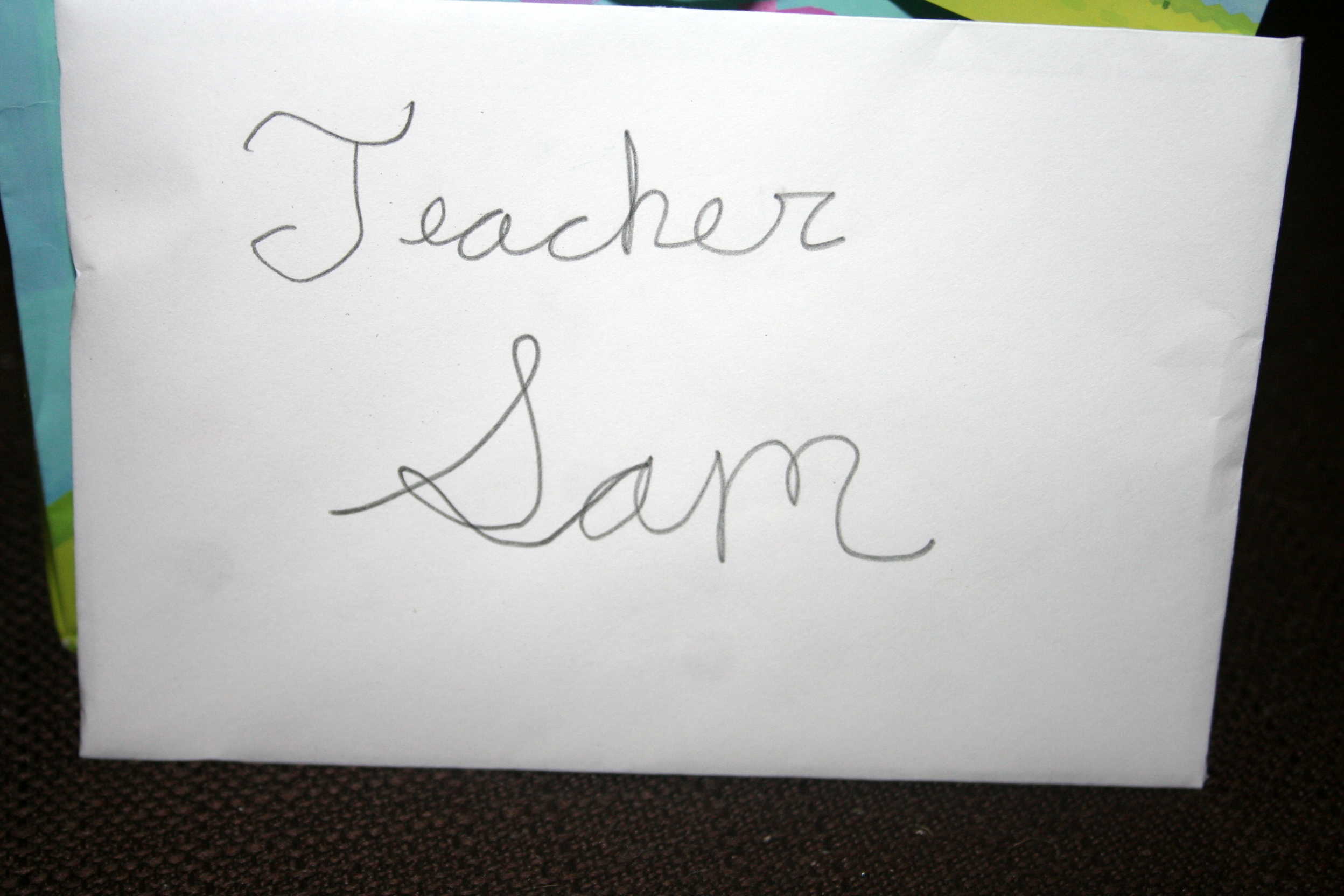
Teaching college, I never thought I’d get to enjoy that kind of student-to-teacher gift-giving. It has happened (mostly cards, though one year I got a coffee mug that I still use), but it’s pretty rare. But getting a colorful gift bag with a hand-written note addressed to “Teacher Sam” and illustrated with cats, frogs, and smiley faces (yes, they’re going on my Smile! blog) was a special moment for me! I kept my cool around Tiffany’s mom, but I have to tell you, I teared up at home when I read the note.
Coolest of all: the gift they gave me is a “hoya kerrii,” a plant native to southeast Asia (like Tiffany herself) and often called the “heart plant” for it’s succulent heart-shaped leaf. I’d call this happy coincidence, but I happen to know that just last week, Tiffany’s mom had read and congratulated me on the quote I use in the header of this website: “Pay attention not only to the cultivation of knowledge but to the cultivation of qualities of the heart, so that at the end of education, not only will you be knowledgeable, but also you will be a warm-hearted and compassionate person,” from His Holiness the 14th Dalai Lama. So I suspect this particular “heart plant” was intentional, because now I literally get to “cultivate the heart!”

Thank you so much, Tiffany and Jackie (Tiffany’s mom) for the wonderful spring semester; the delightful (and mind-blowing) lessons; and the perfect, thoughtful gift! I’ve enjoyed every moment. 🙂
So, as promised, a few haiku:

children laughing on swings
dress heels clacking on cut stone —
the grass grows unnoticed
stone bench hard and cold
exhaust fumes burn through the hot wind —
sunlight in my hair
like dark chocolate
so bitter and sharp — so smooth
smoke drifts in the breeze

I’ve mentioned before how much I love the haiku, regardless how maligned it is among serious modern poets. Yes, its apparent simplicity invites cheap knock-offs and quickly scribbled drafts that aren’t worth much at all. Heck, these haiku I’ve written here aren’t great. I’ve never claimed to be a great poet. But go pick up The Great Enigma, the recent translation of Tomas Transtromer’s poetry, and check the table of contents: the man has at least two lengthy cycles of haiku in that book, and he just won the Nobel Prize. If the form is good enough for him, it should be good enough for us.
I won’t repeat the form — most grade-school kids know it, and as I mentioned last week, I’m having my nine-year-old tutee write haiku, and she gets the form, too. One thing most people get wrong, though, is to focus solely on the form — that old 5-7-5 structure, which actually doesn’t translate well into Western languages anyway because the 5-7-5 rule isn’t about syllables but about sounds, which in Japanese can be composed of more than one syllable. So that rule isn’t the make-or-break requisite for a haiku. What is more important is the subject matter, which is rooted in Taoist philosophy: it is all about natural balance, so you see a lot of playing with pairs of opposites, with nature imagery, and with paradox. You also see a virtual elimination of the poet-as-speaker; in subjugating the ego to the overwhelming beauty of nature, the “I” disappears from the poem.
So when I was teaching haiku to my young tutee, that’s what we focused on. My head wasn’t really in the game this week — I’m not a big fan of the few haiku I tried — but my tutee? She absolutely nailed it! Not every haiku she wrote this last week was brilliant, but a few were excellent, and one utterly blew me away. I don’t have it in front of me, so I can’t quote it exactly — if you find any flaw in this, blame my memory, not her writing — but the best of her dozen or so haiku would, I think, sit perfectly well right alongside that famous frog-in-a-pond haiku by Basho:
rolling back and forth
beside a cold, empty pond —
splash! where is the ball?
That beautiful haiku is by Tiffany, my tutee. Well done!
Among my writer friends on Facebook, people are circulating this short humor piece from the Huffington Post called “S**t People Say to Writers,” after those at-first-hilarious-but-almost-immediately-inane “Shit people say” videos that were popular a few months ago. (Props to Huff Post for having the wisdom to avoid making this into a video.)
The list is short, but I’m not going to share the whole thing here; go visit the site. I did want to highlight — and respond to — a few of the funnier ones here, though. (The title of this post is one of them.)
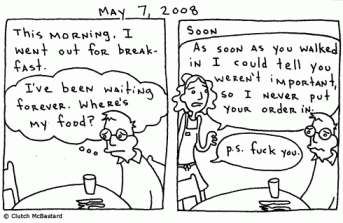
I both love and hate this one. I love it because it gives me a chance to share my work and, better still, the generous publications that ran my work. But I hate it because when most people ask, they mean “Have you published any books?” And, um, no. I’m working on it! But no bites yet. And frankly, even if I had a book out already, I think most of the people who ask are pulp-genre readers, so if I told them what I write, they’d probably still react like this:
It’s a little like the reaction I get when I wear my “Trust me, I’m a doctor” t-shirt. “You’re really a doctor?” Yeah, I have a PhD. “Oh.” Because they thought I was a surgeon who drives a Porsche and lives next door to Jon Stewart. And, not so much.
Strangely, I don’t know Stephen King. You’d think we’d be best buddies, because, you know, we’re both writers. But no, I’ve never even met the guy.
I did go to grad school with someone who’d met him, though. She was a closet romance novelist (writing under the pen name “Denise Richards,” which she swears she picked before the actress became famous), and one year she got elected president of her romance writers organization. It was her job to organize the annual convention and invite the keynote speaker, so the previous president dumped a huge list of authors with agents’ contact info on her, and as she was scanning down the list, she spotted Stephen King. “It’s not just romance writers,” she was told. “Those are ALL the writers.” And she figured, what the hell? Shoot the man an invite. And lo and behold, not only did Stephen King accept, he even called her personally to thank her.
So, you know, I know someone who once had a phone conversation with and later sat in the same room as Stephen King. That ought to count, right?*
That’s so funny! My mother isn’t always sure what to make of my books. 😉
This actually happens pretty rarely, but a few times it’s actually paid off. The first time it happened, the story the guy told me I just had to write turned into “No Milk Would Come,” which is forthcoming in Scintilla Magazine. So keep your eyes open for that to come out. And yeah, if you have a story idea for me, let me know — I’m game!
I have one other thing people say to writers that wasn’t on this list, and it drives me up the damn wall. Thankfully, I don’t hear it very often, but every once in a while, someone who’s never written a word of creative work in their whole life will nod knowingly and confide in me the secret to great writing, in case I hadn’t figured it out for myself yet. The secret usually sounds something like this:
And they smile and pat me on my back, utterly unaware how fortunate they are that I’m a pacifist.
Not all writers are pacifists, though, so people out there reading this, please, for your own safety, NEVER say this to a writer.
Here’s what you should say to a writer:
And then clear your schedule and make some time for reading, because we will take you up on it. 🙂
* I don’t know Stephen King, but I do know a whole slew of really awesome writers. They’re in the list of links in that sidebar on the right. Go check them out.
For this week’s Photo blog, I’m going to do something a little different. I’m going to tell you a story, as it was told to me, in pictures (and you’ll have to excuse my phone’s poor-quality camera):
Sometimes, when cities need to keep track of where they’ve buried their cables, they’ll paint little white symbols in the streets. Like this:
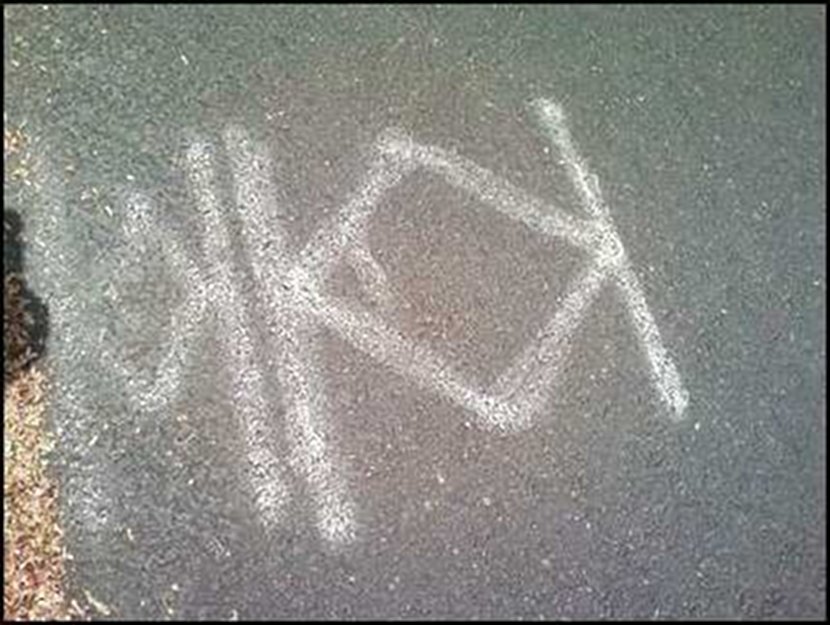
I spotted these symbols while walking home from the MAX train in Portland yesterday. Not long ago, someone else was walking a similar path and noticed the same symbols. But to this person, the symbols looked…. familiar. So this person, an artist, decided to enhance the symbols and share the vision. Which is why the artist added this little red splotch:
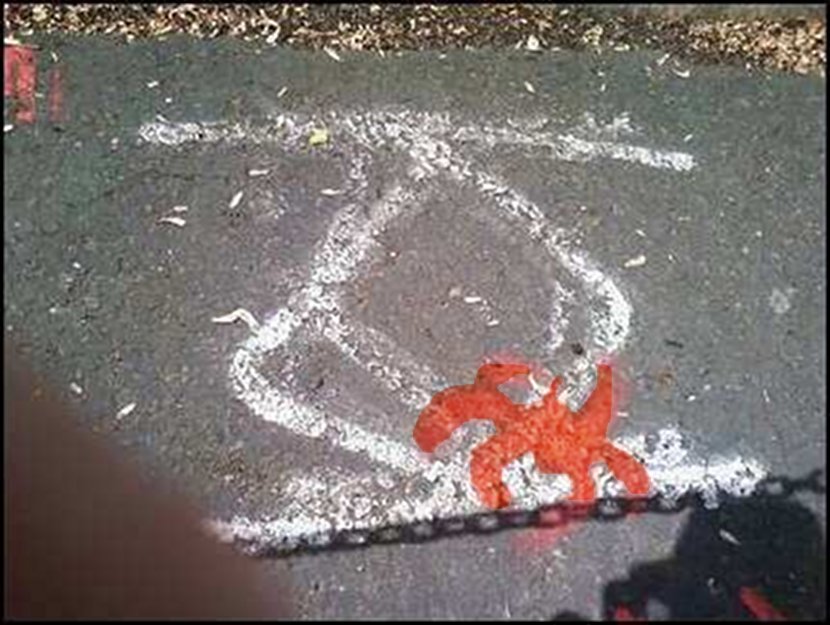
This red splotch was, in fact, an explosion, resulting from an impact from space lasers:
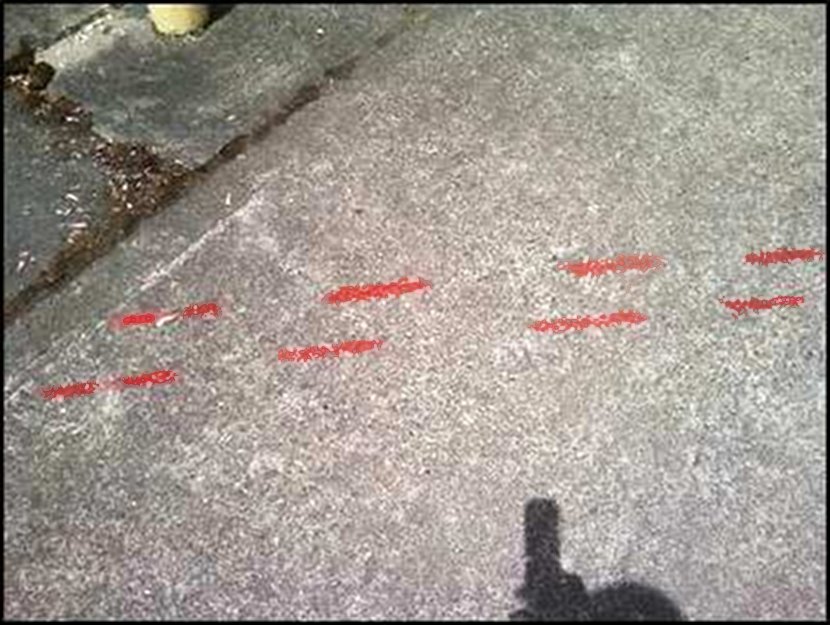
And that laser fire was originating from the Millennium Falcon:
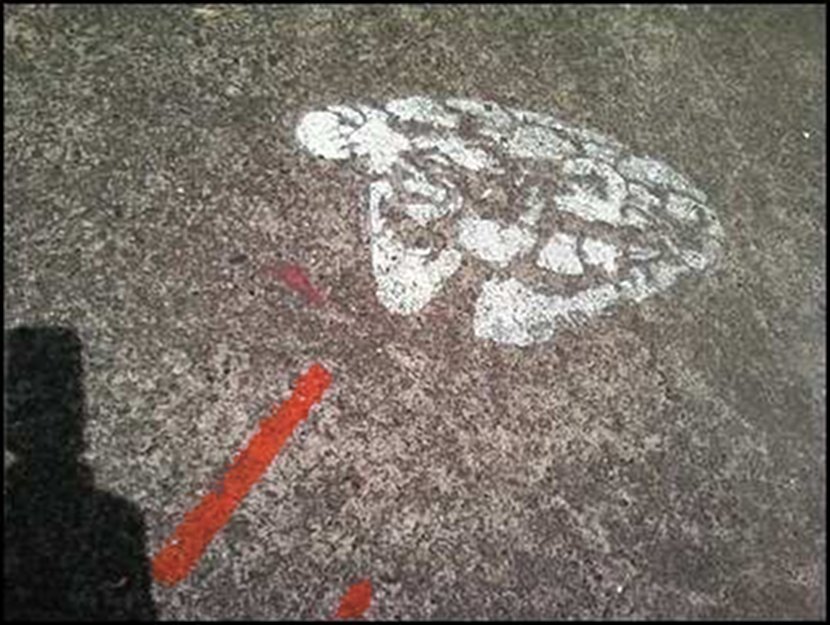
Take that, Imperial TIE fighters! 🙂
 A few months ago, author Ethel Rohan (whose beautiful book Cut Through the Bone you all should buy), made a comment in her blog about her recent haircut. “I cut off most of my hair, twelve inches of length and a crazy amount in volume, and now have Flash hair.” (I love that phrase: “Flash hair.”) She doesn’t bring up the haircut with much purpose — it seems simply to be something on her mind (or perhaps off her mind?) — but what she winds up saying about it is really interesting:
I don’t know how many times yesterday the hair stylist said I was brave,” Rohan writes. “He seemed shocked that I’d chance a new stylist with a completely new do. We are all brave in our own ways. For me, cutting off my hair felt nothing, felt like a grasp at forcing a new chapter.
It’s that last line, combined with her use of “Flash hair,” that got me equating my own hair and my writing process. It reminded me immediately of Truman Capote’s old line that “I believe in the scissors more than in the pencil,” and Rohan, too, must have been thinking along those lines, because she ends her blog post with the simple statement, “Scissors, Baby.” And in general, I believe in the scissors more than the pencil, too, and I usually advise my students that, in writing first drafts, it’s always easier to write too much and cut later, mostly because I’m trying to encourage them to cut.
Cut, cut, cut.
But I have an extraordinarily hard time cutting.
See, I have long hair. Not “shaggy,” not “casually long,” not even shoulder-length. I mean long. You might not know it to look at me because my hair is fairly lightweight and springs up into curls, but when I’m fresh out of the shower, my hair is down to the middle of my back, sometimes even longer.
And I am in NO hurry to cut it.
My wife sometimes daydreams about me with shorter hair (she’d love me to try something like Simon Baker’s hair in The Mentalist), and she teases me that my attachment to my hair isn’t very Buddhist of me. And she’s right, in a way, though I’d like to think that if my hair got caught in machinery or burned over a bbq pit and wound up short, I wouldn’t spend too much time fretting over it.
That’s certainly how I am about my fiction. When I send out stories to my friend and writing workshopper (and fellow longhair) Ryan Werner and he sends me back an utterly butchered version that’s only half as long, I can usually let the text go and work with what he’s left me. So maybe I would be the same with my hair.
But that’s what it takes, in either case: I have to find myself in that position, with shorter hair or shorter text, because I have a hell of a hard time putting myself in that position. And I wonder why that is. What’s with this discrepancy between what I tell my students or the advice I give to other writers — cut, cut, cut! — and my own reluctance to do the same for myself?
In the case of my hair, I know it’s because my hair grows very, very slowly. I can’t really “experiment” with my hair the way my wife (whose hair grows fast) can — once I cut it, I’m stuck with it for months and months. If I cut it really short, I’d be stuck with short hair for more than a year at least. And I’ve done the short hair thing, all the way down to a shaved head. It ain’t pretty. I don’t have a handsome dome and look fairly ridiculous bald, and my hair doesn’t like to behave when short. So no thanks, I’d rather not play around when I know my hair works long.
That’s no excuse with my prose, though. Writing long is easy. I can ramble for pages and pages. I can write 2,000 words on a lazy day; I’ve cranked out more than 6,000 in a day during NaNoWriMo, and I still had more to give the page. So when I do cut text, it’s not like it’d be a struggle to “grow” new text.
And it’s not like I’m afraid to experiment, either. The Writer’s Notebook ought to be evidence enough of that. In writing, I’ll try any “hairdo” once, just to see how it plays. In that way, stories for me are more like wigs than grown hair.
I think of hairstylists as being a bit like sculptors. Apparently, a good sculptor can look at a lump of clay or a chunk of stone or a piece of wood and they see the art living inside. I see rock; Michelangelo saw David. Hairstylsits, too, I think, must have some artistic second sight through which they can look at a head of hair and see how it would take a razor cut, which way it wants to part, what layers or highlights might look like. They see it, and they start cutting away until they find the hairstyle living inside.
But I can’t do that. Not with stone, not with hair, even, sometimes, with my own work. Sometimes I get it, but a lot of time, it’s hard for me look at my long mess of words on the page and see the story I’d been trying to tell hiding somewhere down inside there.
When I was writing my dead-Santa-Claus story for the 2011 Holiday Half-Issue of Jersey Devil Press, I sent it around to the other editors and readers for feedback. Our awesome content editor Mike Sweeney sent it back to me utterly butchered. He cut a few words from the title. He move one section. He whacked out a full 500 words from what was already a fairly short story to begin with. I mean, he stripped that thing down to the bone, and he was merciless doing it.
And I loved him for it. My exact words when I wrote him back were “All the fat is gone, all my reminiscent indulgences (a lot of this is autobiographical, but don’t tell the cops), all the rambling confusion. Thanks for seeing the story inside my story, man.”
See, that’s my problem. Sometimes I can’t see the story inside the story, even when it’s my own damn story. Sometimes I need someone to give my story a serious haircut — to shave my story’s head — so I don’t have to, and once it’s all gone, I really don’t have much trouble saying, “Man, that looks weird and I can feel the wind on my neck, but yeah, I can totally live with this.”
But I won’t be cutting my hair anytime soon. 🙂
I’ve had a LOT of new visitors this past week, which is awesome. Loads of those new visitors went the extra step and subscribed to my blog, which is even more awesome. (Hi, readers!)
Many of those new subscribers are wordsmiths of some sort or another — journalists, poets, bloggers, story writers, novelists — and I’m loving checking out all their work. But here’s something interesting: a sizable number of you new subscribers are visual artists: painters, sketchers, photographers, digital artists, sculptors, illustrators. At least one of you is a fabric artist working in embroidery. And, you know what, gang? Wow! I’m blown away by the talent that’s out there!
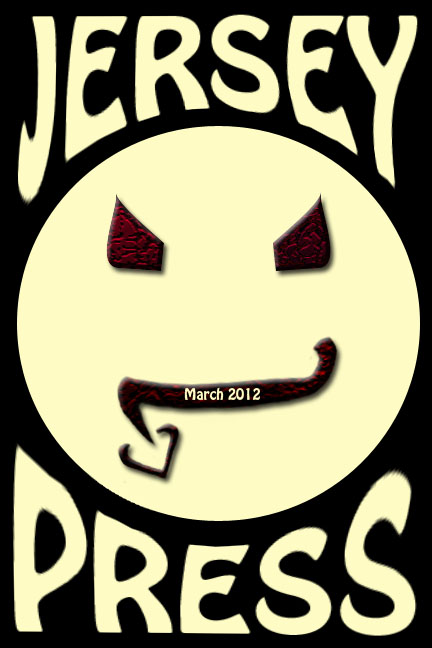
So, here’s the deal: in one of my lives, I’m production editor for the literary magazine/publisher Jersey Devil Press, and one of the things I get to do in my job — one of my favorite parts of my job! — is find the cover art for the monthly magazine. I’ve had some incredible good fortune tracking down some excellent artwork in my first few months (see below), but you know what? I’m always looking for more.

The thing is, we have a pretty quirky aesthetic at JDP. If you take some HP Lovecraft, some Philip K. Dick, some Kurt Vonnegut, some Star Wars, some Twilight Zone, a whole bunch of comic books, some juvenile pornographic jokes scrawled on bathroom walls, some Jorge Luis Borges, and, just for flavor, some Bruce Springsteen, and you throw them all into a Slap Chop . . . Jersey Devil Press is more or less what you’d get.
Or just read our “Behind the Curtain” article for a peek inside our brains. (Be warned: it’s messy in there.)
But all that said, I’m actually REALLY open-minded when it comes to what I think might work for a cover. I mean, I put a bottle of chloroform on the cover of our “Valentine’s Day” issue. The cover of our recent All-Star issue included a piece of artwork entitled “Finger Bang.” Probably our most popular cover this year was a smiley face. You get the idea. Plus, FYI, I’m a big fan of Hieronymous Bosch and Alfred Kubin and MC Escher and HR Giger and Mark Ryden and, recently, Casey Weldon. But that’s just painters and drawers. I love comics and photography and quilting and embroidery and collage and scultpture (you know Stanisław Szukalski? he’s awesome) and silkscreening and wood carving and string art and Etch-a-Sketches and Lite-Brites and Spirographs. Okay, maybe not Spirographs. Like I said, I’m really open-minded. But bear all this in mind when you’re thinking about whether your work might be right for our cover.

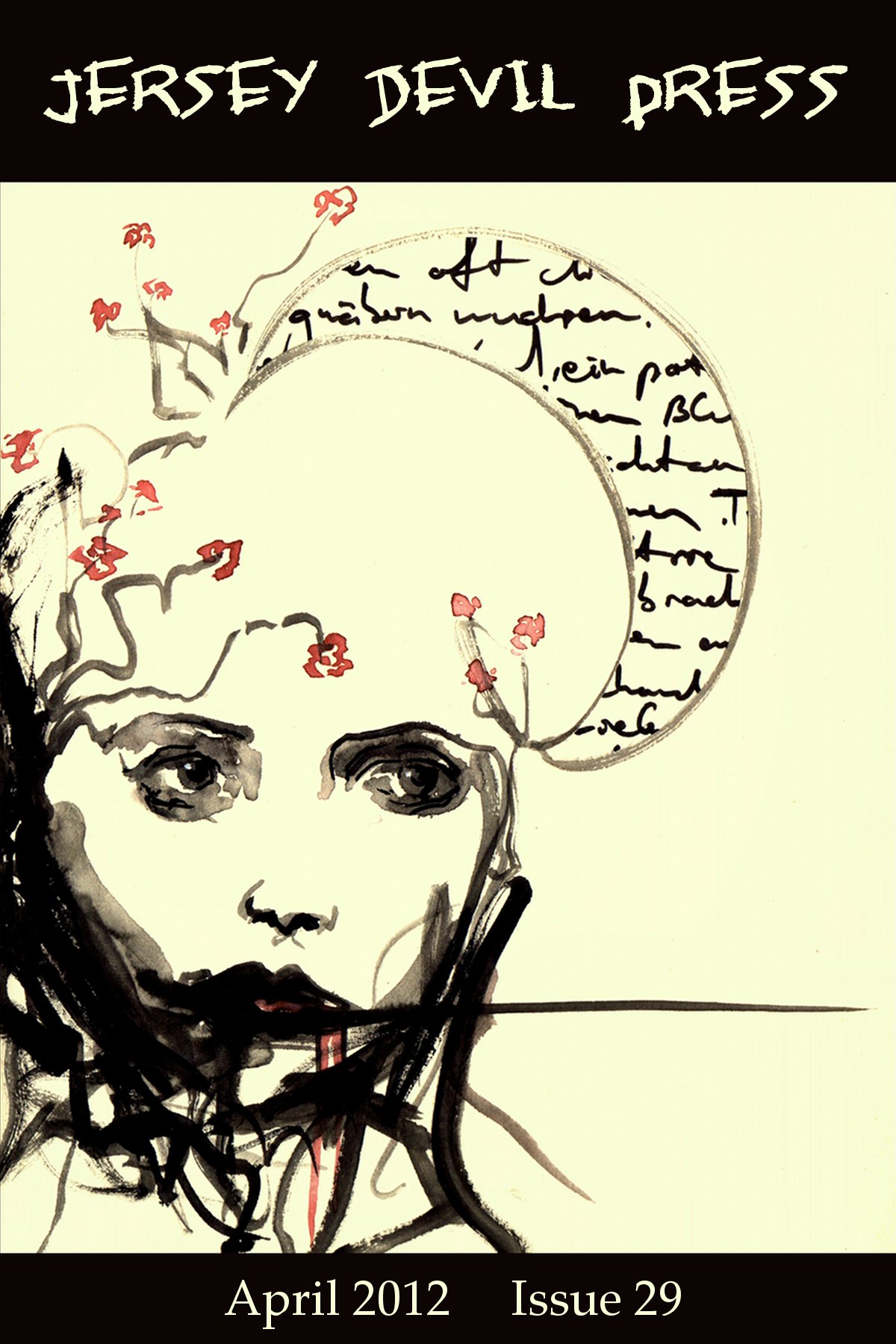


If you think you’ve got something I might like to put on the cover of an issue, go to my “About Me” page and send me an email. (NOTE: The submissions system online is just for fiction. If you want to talk to me about art, you need to send me an email!)
And all you fiction writers out there (sorry, poets, we’re only running fiction right now) — go check out Jersey Devil Press, read the guidelines there, and submit your work through that website! We’d love to hear from you. 🙂
A couple of weeks ago, I mentioned that I’d been contacted by a Dutch editor about including one of my photos in Droomonderduik, a Dutch book she was editing. I agreed, and in exchange, she offered to send me a copy of the book when it was out.
Today, by international mail, the book arrived!
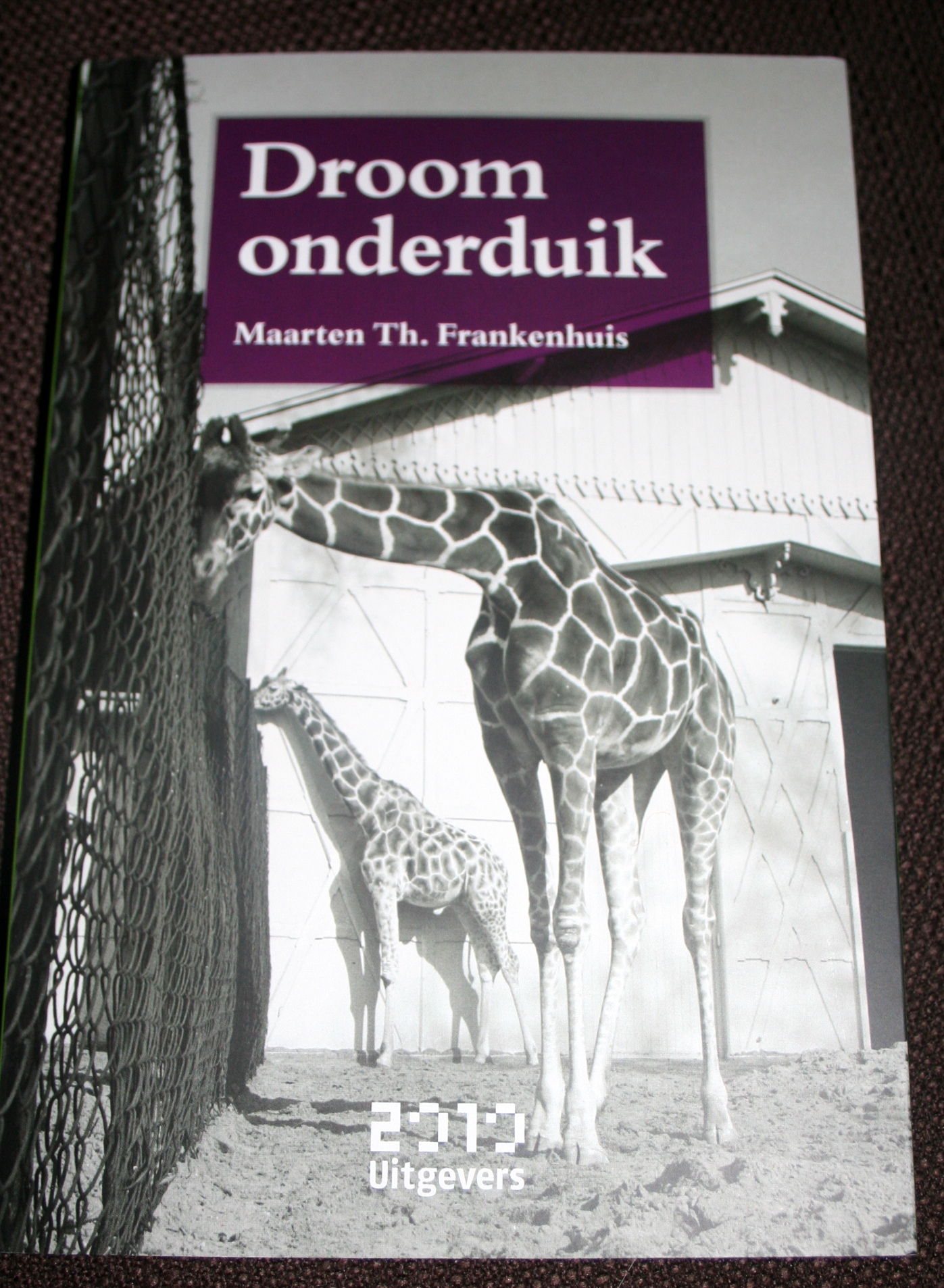

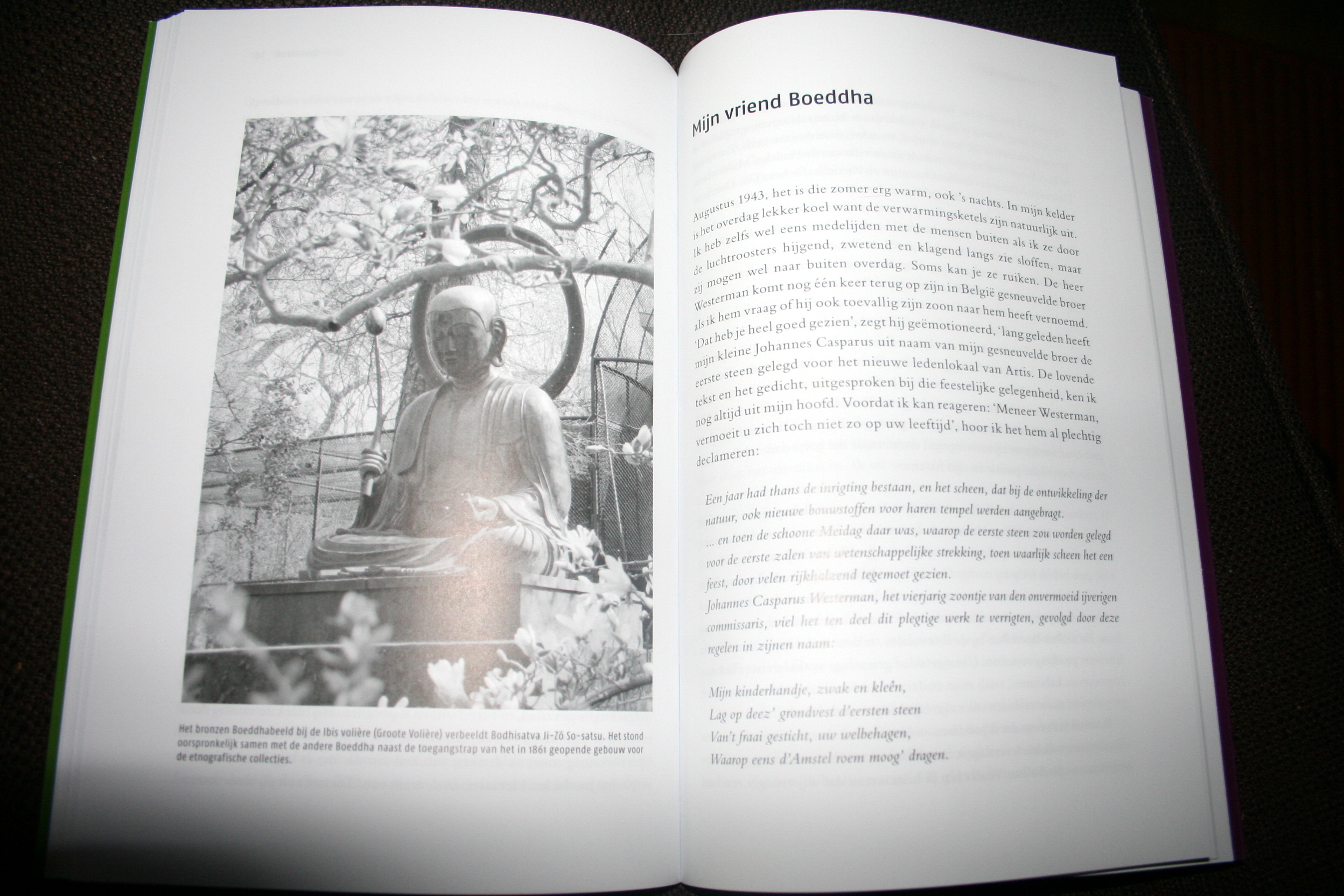

The whole book is in Dutch, of course, but one of my neighbors is Dutch, so I’m going to ask her what she thinks of the book. 🙂
And many thanks to Nel van Beelen, the editor who contacted me, and to Maarten Frankenhuis, the author.
Good grief, was it really March when I last posted one of these? I have REALLY let myself go! (Someday I’ll fill you in on my week-long Oreo binge.) In my defense, I was dealing with a dying cat (she’s feeling better now, by the way), a healthy dose of fiction rejection, and, well, that’s it. The rest are just excuses. Even the rejection thing is just an excuse.
Shame on me.
But whatever. I know there are a lot of people who throw out that good advice that we writers should NEVER give up, but you know what? Sometimes it’s okay to give up. Sometimes it’s necessary. Step away, give yourself some space. The trick isn’t to never give up; the trick is to always come back.
And baby, I’m back!
How long have I been in Oregon’s thrall?
My sole remembering on faded slides
projected hot and white on Mother’s walls.
So long for dreams and home to coincide.
The tales of mountain snow so thick I sank
chin-deep, photos of me on Dad’s shoulders,
my Papa’s serene gaze by riverbanks
while my young uncle climbed nearby boulders:
All this I’ve seen both first- and second-hand,
all my memories invented, unproved
save those slides, those stories. I always planned
to return to Oregon, my first love,
not to recall nor to replace those days
but to begin anew and re-amaze.
Yes, I suck at poetry. I love reading it, and I enjoy writing it. But man, am I awful.
But hey, this is just a rough draft. (How much do I suck? This is actually a second draft.)
 Besides, I only wrote this because that’s how I teach: by example. See, I’m tutoring a nine-year-old girl in English and writing, and her mom really wants us to explore her creative side. She’s not a big writer, but she’s a musician and so she loves poetry. That’s why I’m using the rough outline of Kenneth Koch’s very cool book Rose, Where Did You Get That Red?: Teaching Great Poetry to Children. Koch doesn’t get into sonnets, but he does mention Shakespeare, and my tutee likes song structure so much I thought I’d go for it.
She loves this assignment. It’s challenging, but good lord is this kid whip-smart (her analysis of Blake’s “The Tyger” would put some of my college students to shame! No lie!), and she’s doing really, really well with it. (Her mom is writing a sonnet, too, and doing just as well!)
As her tutor, I thought it was important to play along, so I did the assignment with her. I wrote the first draft of the sonnet on the train one day, but I hated the first stanza and the last lines, so I redid it this way to share with her earlier this week. I didn’t realize until this morning, though, that today is actually the one-year anniversary of me arriving in Portland, this home I love so much (I promise my wife that Portland, OR is the only extra-marital love affair I’ll ever have; she says that’s okay, because she loves Portland, too).
Next week, we’re writing haiku! So stay tuned. 🙂
PS: You ever hear of a series of sonnets? It’s called a Heroic Crown: a series of fifteen connected sonnets where a line from one sonnet gets repeated in the next, and so on, until the last sonnet uses one line from all the fourteen sonnets that precede it. It’s extraordinarily hard to pull off without sounding like a pretentious idiot, but it can be done. The best example of it I’ve seen maybe ever is Ryan Werner‘s beautiful, brave, triumphant “Oh Lie, I Thought You Were Golden: Courting Neko Case.” Seriously, go read it. It’s mind-blowingly good.

 Samuel Snoek-Brown